Buying a home is exciting, nerve-wracking, and a little overwhelming all at once. Whether you are a first-time buyer, upgrading for more space, or investing in property, it is easy to get caught up in staging, lighting, and that perfect-looking kitchen island. But smart home-buying goes beyond first impressions. You need a clear, realistic checklist to keep emotions in check and decisions grounded.
This top 20 home-buying checklist walks you through everything that matters, from location and layout to long-term costs and future resale value. Think of it as your practical companion while touring properties, scrolling listings, and negotiating offers.
Top 20 Home-Buying Checklist: What to Check Before Buying
1. Location and Neighborhood Quality
Location is still king in real estate, and for good reason. Look at the neighborhood beyond the house itself. Pay attention to safety, cleanliness, noise levels, and overall vibe. Visit the area at different times of day to see how it really feels. A quiet street at noon might be a different story at night.
Also consider proximity to schools, grocery stores, hospitals, and public transportation. Even if you do not need these now, future buyers will.
2. Accessibility and Commute Time
A beautiful home loses its charm fast if your daily commute becomes exhausting. Check how long it takes to get to work, school, or frequently visited places during peak hours. Test routes using navigation apps and ask locals about traffic patterns.
Accessibility also includes road conditions, parking availability, and ease of entry for visitors or deliveries.
3. Budget and Total Purchase Cost
Your budget should go beyond the listing price. Factor in taxes, closing costs, legal fees, and potential repairs. It is common for buyers to stretch for the house and forget the after-costs that follow immediately.
Stick to a number that allows you to live comfortably after the purchase, not just survive it.
4. Financing and Loan Options
Before buying seriously, understand your financing options. Compare mortgage rates, loan terms, and monthly payment estimates. Make sure the payment fits your lifestyle, not just your approval limit.
Getting pre-approved also strengthens your position when making offers and speeds up the buying process.
5. Property Size and Lot Area
Square footage matters, but how space is used matters more. Look at the size of rooms, storage areas, and outdoor space. A smaller home with a smart layout can feel more livable than a larger one with wasted space.
Consider whether the lot allows future extensions, gardening, or outdoor activities.
6. Floor Plan and Layout
A home’s layout affects daily life more than finishes. Ask yourself if the flow makes sense. Are bedrooms placed far enough from common areas for privacy? Is the kitchen functional for how you cook? Are there enough bathrooms for household members?
Visualize your furniture, routines, and lifestyle in the space.
7. Natural Light and Ventilation
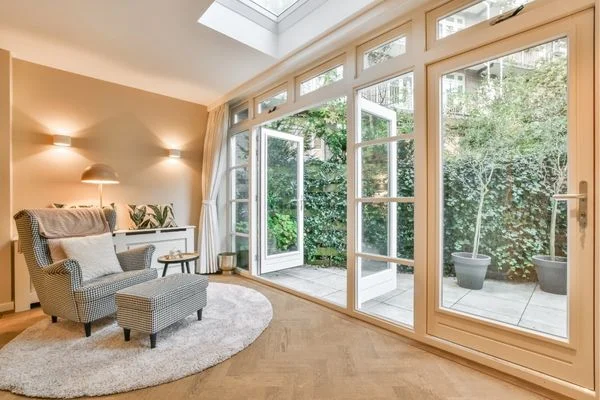
Good lighting and airflow improve comfort and energy efficiency. Check window placement, the direction the house faces, and ventilation options. Homes with natural light feel more welcoming and can reduce electricity costs.
Poor ventilation can also lead to moisture issues and discomfort over time.
8. Structural Condition
Look beyond paint and decor. Check walls for cracks, uneven floors, ceiling stains, and signs of previous repairs. These may indicate deeper structural issues.
If something feels off, trust your instinct and ask questions. A professional inspection is essential, but your observations matter too.
9. Roof Age and Condition
The roof is one of the most expensive components to repair or replace. Ask how old it is and what material was used. Look for missing shingles, sagging areas, or water damage.
A roof nearing the end of its life should factor into your offer or negotiation.
10. Plumbing System
Turn on faucets, flush toilets, and check water pressure. Look under sinks for leaks or mold. Ask about pipe materials and when the plumbing was last updated.
Old plumbing can lead to costly repairs and water damage if ignored.
11. Electrical System and Wiring
Check if outlets are sufficient and properly placed. Ask about the electrical panel capacity, especially if you plan to use multiple appliances or add smart home features.
Outdated wiring can be a safety risk and expensive to upgrade.
12. Heating, Cooling, and Insulation
Comfort depends heavily on heating and cooling systems. Ask about the age and maintenance history of air conditioning units, heaters, and insulation.
Well-insulated homes save money long term and maintain consistent indoor temperatures.
13. Kitchen Condition and Storage
The kitchen is often the heart of the home. Check cabinet quality, counter space, appliance condition, and storage. Think about functionality rather than trends.
Renovating a kitchen is costly, so be realistic about what you can live with and what you cannot.
14. Bathroom Layout and Condition
Bathrooms should be functional, well-ventilated, and free from water damage. Check tiles, grout, fixtures, and drainage.
Enough bathrooms can significantly impact daily convenience, especially for families.
15. Storage Space and Closets
Storage is easy to overlook during tours, but it becomes critical once you move in. Check closet sizes, built-in storage, and attic or basement options.
A lack of storage often leads to clutter or costly custom solutions later.
16. Noise Levels and Surroundings
Listen carefully during your visit. Traffic, nearby businesses, construction, or neighbors can affect your quality of life.
Do not be shy about visiting again during different hours to assess real noise levels.
17. Safety Features and Security
Safety is one of those things you might not think about deeply until something goes wrong. When touring a home, start with the basics. Check the quality of door and window locks, not just whether they exist, but whether they feel solid and well-installed. Flimsy locks or doors that do not close properly can be a red flag. Pay attention to entry points like back doors, sliding doors, and ground-floor windows since these are often the most vulnerable.
Outdoor lighting also plays a big role in security. Well-lit entrances, pathways, and parking areas discourage unwanted activity and make coming home at night feel more comfortable. Ask whether motion-sensor lights or smart lighting can be installed if they are not already in place. It is also worth checking if the property allows security cameras, video doorbells, or alarm systems, especially in condos or communities with homeowner associations. Beyond personal safety, homes with strong security features often appeal more to future buyers, making this an investment in both peace of mind and resale value.
18. Maintenance and Ongoing Costs
The true cost of a home reveals itself after the keys are handed over. Before committing, ask for realistic estimates of monthly utility bills, including electricity, water, gas, and internet. These numbers can vary widely depending on the size of the home, insulation quality, and age of systems. What looks affordable on paper can quickly feel expensive once recurring costs add up.
If the home is part of a community, clarify homeowner association fees and what they cover. Some include maintenance, security, and amenities, while others barely cover landscaping. Older homes, while charming and full of character, often require more frequent repairs, from roof upkeep to plumbing and electrical updates. Understanding these ongoing costs upfront helps you plan your budget realistically and avoids the stress of surprise expenses that can creep in month after month.
19. Future Value and Resale Potential
Even if you are buying a home with the intention to stay for many years, thinking about resale value is a smart move. Life changes, jobs relocate, and priorities shift. Research the neighborhood’s growth potential by looking at upcoming infrastructure projects, new commercial developments, and public transportation improvements. These factors often signal rising property values.
Check recent sale prices of similar homes in the area to understand how well properties hold their value. Homes in well-maintained neighborhoods with good schools, access to amenities, and steady development tend to be easier to sell in the future. A home with strong resale potential gives you flexibility and confidence, knowing your investment is likely to grow rather than stagnate.

20. Gut Feeling and Lifestyle Fit
After all the inspections, calculations, and comparisons, there is still one factor that matters more than spreadsheets: how the home feels to you. Ask yourself if you can imagine living there day after day, not just during the excitement of a viewing. Can you picture quiet mornings, busy weekdays, and relaxed weekends in the space?
A home should support your lifestyle naturally. It should make your routines easier, not harder. Sometimes everything looks perfect on paper, but something feels off. Other times, a home simply feels right the moment you walk in. That instinct is not random. It is your mind connecting details you may not consciously notice. When logic and intuition align, you are usually looking at the right home.
Finding the Right Home Without Rushing the Decision
Home-buying is not a race. The right property balances emotion with logic, desire with practicality. This top 20 home-buying checklist is designed to keep you focused on what truly matters so you can make confident, informed decisions.
Take notes during visits, ask detailed questions, and do not be afraid to walk away if something does not feel right. The right home will not just look good in photos. It will make sense on paper and feel right when you stand inside it.
In the end, a smart home purchase is not about finding perfection. It is about finding a place that fits your life today while still making sense for tomorrow.