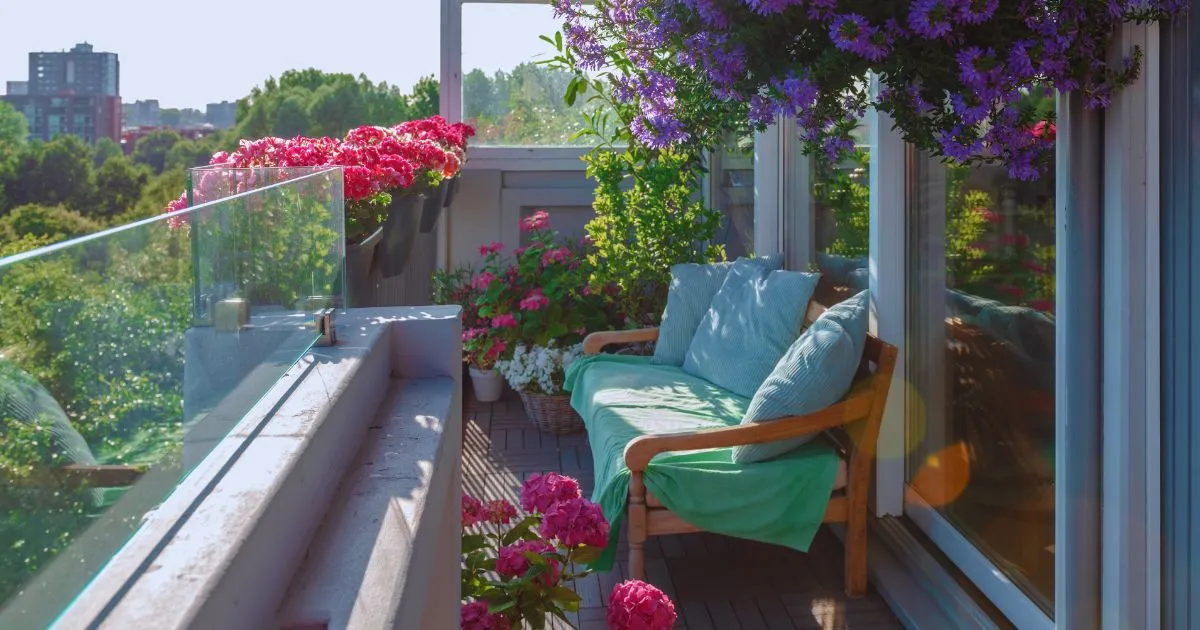
Maximizing a small outdoor space, such as a balcony or a small garden, is one of the most exciting design challenges in 2025. With creative planning, clever furniture choices, and bold plant selections, these compact areas can become inviting, functional retreats that feel larger and more intentional than their square footage might suggest. From lush vertical gardens to cozy seating nooks and multifunctional design, this guide brings the most inspiring ideas, practical tips, and product recommendations for transforming small outdoor spaces into stylish garden escapes.
Why Small Gardens Matter In 2025
Small outdoor spaces are more than tiny patches of green. They are extensions of the home, sanctuaries for relaxation, and places to express personal style. With urban living on the rise and more people craving fresh air and nature close to home, designing patios, balconies, and tiny garden plots has become a real designer priority. Even a modest balcony can feel expansive with thoughtful planning and smart use of vertical space, multifunctional elements, and layering of plants and accessories. The result is a space that feels both welcoming and purposeful, with beautiful textures, colors, and greenery that rival those of larger gardens.
1. Start With A Clear Design Vision
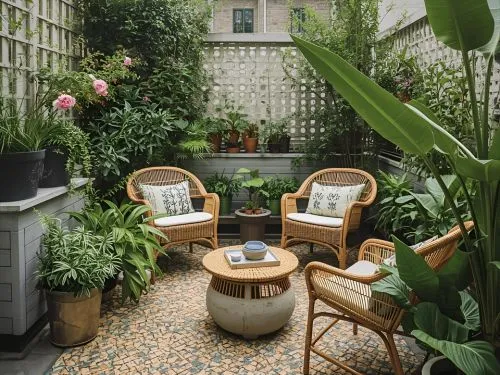
Before adding a single plant or piece of furniture, it is helpful to set a design vision. The look can be a calming green oasis, a vibrant bistro corner, a productive herb and veggie space, or a hybrid of styles. Knowing the purpose and mood you want to achieve helps with plant selection, layout choices, and accessory decisions.
A good rule of thumb in small spaces is to choose a theme and color palette that unify the elements. Soft pastels, earthy neutrals, and natural wood or bamboo details are trending in 2025, creating a cohesive, serene atmosphere. A consistent theme lets every piece feel like part of a single curated space, even when the floor area is limited.
2. Make The Most Of Vertical Space
One of the most effective strategies for small garden and balcony design is to think vertically. Using walls, railings, and trellises allows plants to climb and grow upwards, freeing up valuable floor space for seating and movement.
Vertical gardens make a lush impact without crowding a space. Wall planters, stacked plant stands, or hanging baskets maximize greenery and create a living backdrop that draws the eye up and around the space. Plants with varied textures and colors, such as ferns, succulents, and trailing vines, help create a rich, layered look. Innovative products like stackable planters also shine in 2025. The Mr. Stacky 5-Tier Strawberry Planter Pot is a favorite for balcony gardeners because it provides multiple levels for plants without taking up a large footprint. It is especially good for strawberries, herbs, or colorful seasonal flowers.
Tall trellises or wall-mounted supports help climbing plants thrive. Jasmine, ivy, and morning glory are classic options that bring height, texture, and sometimes fragrance into a balcony garden. These climbing plants soften hard lines and make a small space feel more enclosed and private.
3. Choose Multifunctional Furniture
When space is limited, every element needs to pull double duty. Multifunctional furniture has become a major trend in small outdoor design for 2025. Folding tables and chairs are easy to store when not in use, and benches with built-in storage keep tools, cushions, or pots neatly tucked away.
Look for outdoor furniture that blends comfort and storage. Weather-resistant pieces made from materials like treated teak, rattan, or powder-coated metal are ideal because they withstand sun, rain, and temperature changes. Lightweight options are easier to rearrange, letting you tailor the space to different occasions, whether it is morning coffee or a casual evening with friends.
4. Lighting And Ambience
Lighting transforms outdoor spaces the way accessories change an interior room. In 2025, LED string lights and solar-powered lanterns are especially popular for creating a cozy, welcoming vibe after dark. Solar options like TomCare Solar Lanterns offer soft illumination without wiring or electricity costs, and they are weather-resistant for balcony use.
Smart lighting adds convenience and mood control. App-controlled LED strips or lanterns let you adjust brightness and color without leaving your seat. For shaded balconies, LED grow lights like GE BR30 LED Grow Light Bulbs help plants thrive while adding a soft glow to the garden space.
5. Combine Nature With Comfortable Seating
Comfortable seating is essential to turn a small outdoor space into a usable area for relaxation or socializing. A petite bistro set works wonderfully on narrow balconies and makes it easy to enjoy breakfast outdoors. A hanging chair or small bench swing introduces a playful, relaxing touch that invites lingering.
Incorporate soft textiles, such as outdoor rugs, cushions, and throws, to soften the space and create a connection with the interior. Bright patterns or earthy tones can anchor the space visually and add personality without overwhelming the garden’s organic elements.
6. Select Plants That Thrive In Small Spaces
Choosing the right plants is central to successful small garden design. Compact, slow-growing varieties and container plants are essential. Herbs like basil, rosemary, and mint not only taste great but also add delightful scents to your balcony garden. Succulents and hardy flowers, such as lavender, bring color and texture without demanding much maintenance.
For balcony gardens that catch lots of sun, drought-tolerant plants like sedum, coneflower, and rosemary are practical picks. In shadier spots, ferns, ivies, and shade-loving perennials keep greenery lush and vibrant. Choose plants that match the local climate and light conditions to reduce maintenance and ensure healthy growth.
Pollinator-friendly plants like lavender and salvia are not only beautiful but also support local ecosystems. Heather, coneflowers, and milkweed attract bees and butterflies, adding life and movement to small outdoor spaces.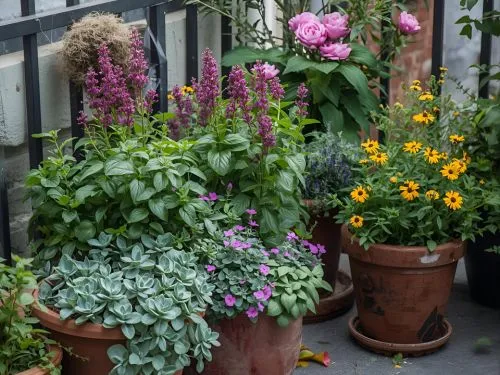
7. Add Water And Natural Elements
Even in the tiniest garden, incorporating natural elements like water can amplify the sense of calm and connection to nature. Small tabletop fountains or low-maintenance water bowls create soothing sounds that enhance relaxation. At design showcases in 2025, many small balcony concepts are incorporating miniature water features for their calming aesthetic.
Natural elements such as stone accents, ceramic pots, and bamboo screens bring warmth and texture. These materials help spaces feel intentional and grounded. Materials that age beautifully, like weathered wood and terracotta, also contribute to a timeless look that pairs well with greenery.
8. Use Color And Textures Thoughtfully
A small space benefits from a cohesive color scheme and layered textures. Earthy neutrals, soft pastels, and deep greens create harmony while making the area feel airier and more expansive. Plants with varied leaf shapes and hues add depth without crowding the space.
Outdoor rugs and cushions in complementary colors tie elements together. Textures in wicker, bamboo, and natural-fiber rugs add warmth and contrast to plant foliage. These design elements work together to create a space that feels curated rather than cluttered.
9. Grow Food And Flowers Together
Small gardens can be both beautiful and productive. Herb gardens and edible flowers are rising trends in 2025, driven by city gardening movements worldwide. Urban gardeners are transforming balconies into micro farms with tomatoes, lettuces, strawberries, and herbs thriving in tiered planters or compact containers.
Vegetable and herb gardens also make small spaces more functional. Growing fresh produce where you live reduces grocery trips and brings fresh flavors and scents right outside your door. Stackable planters, self-watering containers, or modular hydroponic systems support small-scale food gardening even in tight quarters.
10. Create Privacy And Green Backdrops
Privacy can be a challenge in urban environments where balconies and patios are close to neighbors. Lush plant walls, vertical garden panels, or trellises with climbing vines can act as natural privacy screens while enhancing greenery. Strategically placed taller plants or bamboo screens provide seclusion without a bulky structure.
Mirrors and reflective accents also help small gardens feel larger by bouncing light and creating depth. Placing a weatherproof mirror near plants can double the sense of space visually without overwhelming the design.
Seasonal Considerations And Maintenance
Designing a balcony or small garden also means planning for changing seasons and weather. Choose weather-resistant containers and furniture that tolerate rain or intense sun. Self-watering planters are particularly useful for travel or busy schedules. Be sure containers have proper drainage to prevent root rot and protect plant health.
Think about how the space will function year-round. Seasonal touches like string lights, cozy textiles, and compact heaters can extend outdoor enjoyment into cooler months. Planting with year-round interest, such as evergreen shrubs, winter-flowering hellebores, or ornamental grasses, ensures greenery even when flowers are not in bloom.
Planning Your Space Step By Step
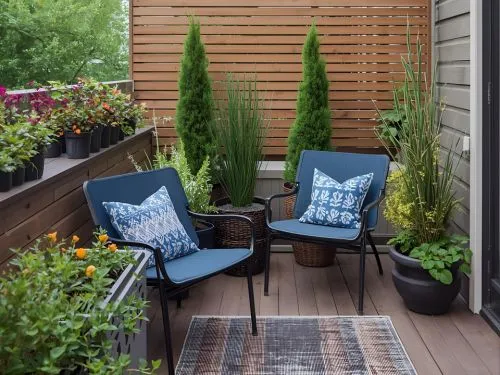
Here is a simple planning approach that helps translate ideas into action:
- Measure your space and note the direction of sunlight.
- Set a design theme that includes colors, materials, and function.
- Prioritize vertical gardening to preserve floor area.
- Choose compact, climate-ready plants and mix textures.
- Select multifunctional furniture for comfort and storage.
- Add ambient lighting and accessories to enhance the mood.
- Plan for year-round enjoyment with seasonal elements.
Maximizing Small Gardens and Balconies
Small gardens and balconies are opportunities to bring nature closer to daily life, even in urban settings. With space-saving solutions, creative plantings, multifunctional furniture, and thoughtful design, these tiny outdoor areas can feel expansive, expressive, and deeply personal. Whether it is a lush green retreat, a vibrant herb garden, or a cozy nook with string lights, 2025’s trends prove that great design does not require endless space. Every square foot can be a canvas for creativity and comfort.